Choosing the Right Spinning Reel

The Foundation of Your Cast

Selecting a rod and reel combination is a rite of passage. It requires an understanding of the species you pursue, the waters you wade, and the mechanical harmony of the equipment itself. From the flex of a graphite blank to the smooth drag of a machined aluminum reel, every detail matters in the traditional craft of angling.
Understanding Rod Action & Power

The "action" of a fishing rod dictates where it bends along the blank. Fast action rods bend mostly near the tip, providing sensitivity and quick hooksets—ideal for jigs and single hooks. Slow action rods bend evenly throughout, acting as a shock absorber for treble hooks and delicate live baits.

"Power," on the other hand, is the rod's lifting strength. Ranging from ultra-light for trout and panfish, to heavy for muskie and offshore species, matching rod power to your target quarry ensures ethical and successful catches.

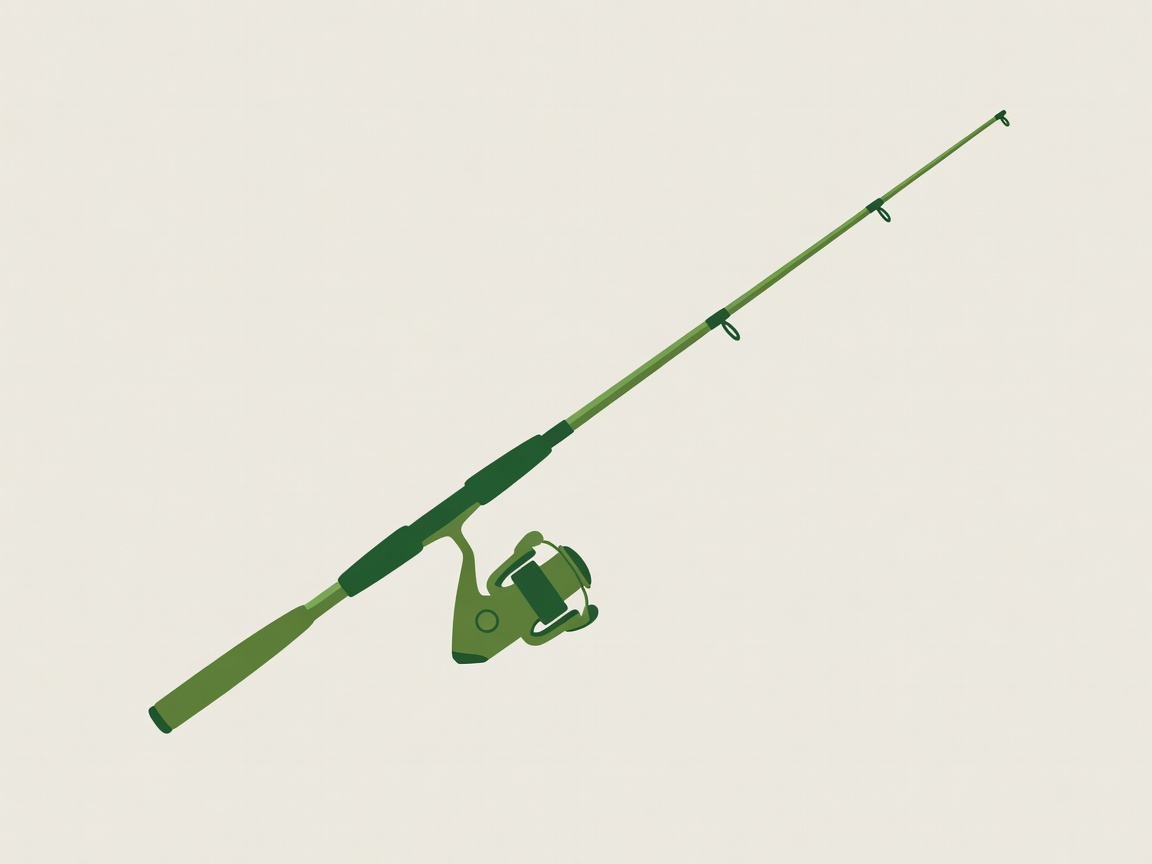
Flat vector illustration of a casting rod in earthy green tones
Info
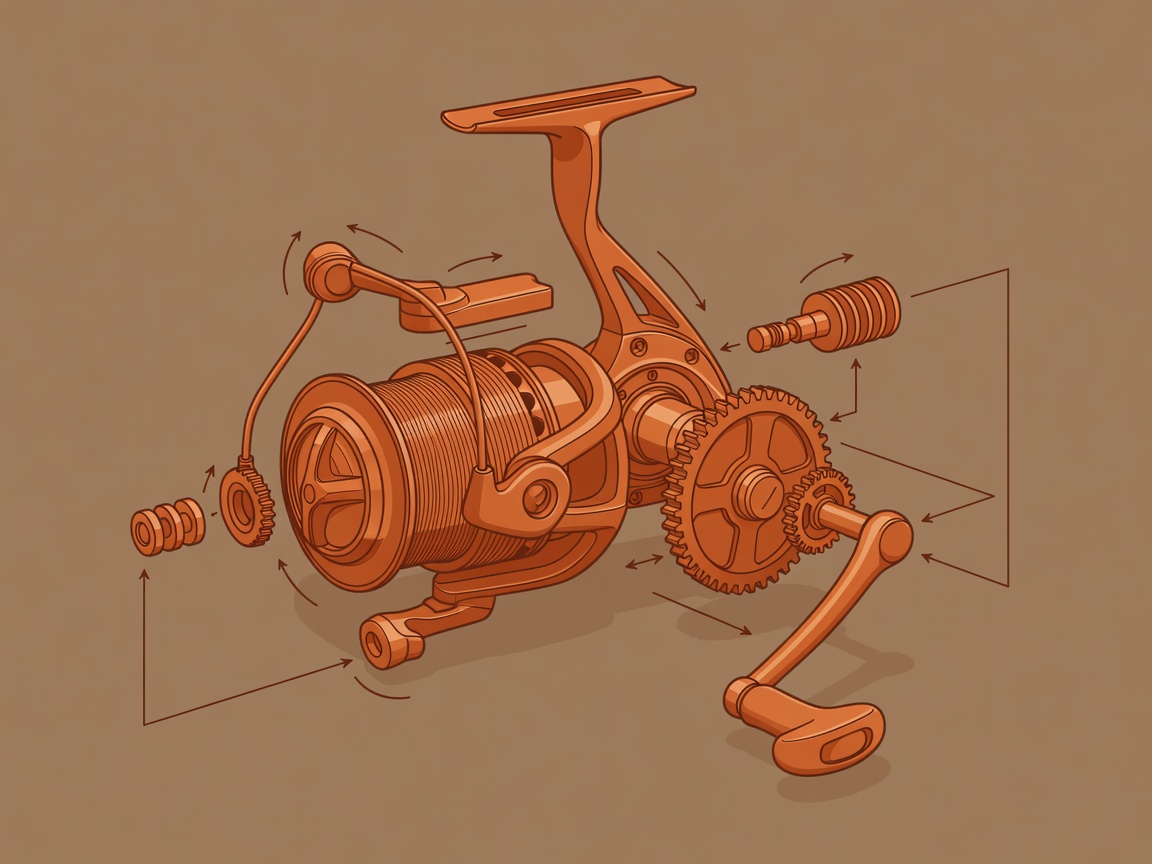
Vector diagram of reel mechanics
Gear

The Anatomy of a Spinning Reel

Spinning reels are the workhorse of the modern heritage angler. Fixed underneath the rod, they rely on a rotating bail to spool line evenly. The drag system, typically housed within the spool, is arguably the reel's most vital component. A smooth, carbon-fiber drag ensures that a surging fish won't snap your line during a sudden run.

When selecting a reel, consider the gear ratio. A 5.2:1 ratio offers steady, moderate retrieval, while a 7.1:1 ratio is built for burning lures back to the boat quickly.